
full length floor mirror with lights
Understanding Taper Gauges A Focus on Taper Gauge 1 15mm Taper gauges are essential tools in various industries, especially in metalworking, woodworking, and engineering. They serve as precise measurement instruments that help professionals and hobbyists achieve accurate readings in their projects. Among the various types of taper gauges available, the Taper Gauge 1 15mm stands out due to its unique specifications and broad range of applications. In this article, we will delve into the significance of taper gauges, explore the specific features of the Taper Gauge 1 15mm, and discuss its practical applications and benefits. What is a Taper Gauge? A taper gauge is a tool used to measure the reflected dimensions of tapered surfaces, such as those found in machinery parts or tools. Unlike standard straight measuring tools, taper gauges are designed to accommodate the gradual change in diameter along a length, allowing for more accurate readings. This characteristic makes them indispensable in settings where tapered parts are prevalent. Taper gauges typically have a series of graduated markings that indicate specific measurements, making it easy for users to gauge size and depth. Features of the Taper Gauge 1 15mm The Taper Gauge 1 15mm provides a reliable and practical solution for measuring tapered dimensions. Here are some of its notable features 1. Design and Construction The Taper Gauge 1 15mm has a robust construction that ensures durability and longevity. It is typically made of high-grade stainless steel or hardened tools steel, allowing it to withstand rigorous use without compromising accuracy. The gauge is designed with a tapered end that can easily fit into narrow or confined spaces, facilitating precise measurements. 2. Graduated Markings The gauge features clear, graduated markings, often in both metric and imperial units, which helps users easily interpret measurements. This dual scale is beneficial in diverse industries where different measurement systems are used. 3. Precision Measurement With a taper length of 15mm, this gauge is ideal for reaching detailed areas of various components. Its design ensures that users can accurately measure angles and profile shapes, offering precision that is crucial in engineering and assembly work. taper gauge 1 15mm 4. Portability The Taper Gauge 1 15mm is lightweight and compact, making it easy for professionals to carry it to job sites or keep it in toolboxes. This portability ensures that precise measurements are always accessible, enhancing workflow efficiency. Practical Applications of the Taper Gauge 1 15mm The Taper Gauge 1 15mm proves useful in numerous applications across different fields 1. Engineering and Manufacturing In these sectors, taper gauges are critical for quality control. Engineers use taper gauges to verify that parts meet specifications before assembly. Ensuring that components fit together correctly prevents errors later in the manufacturing process, minimizing waste and increasing productivity. 2. Woodworking Woodworkers frequently use taper gauges when shaping wood or constructing furniture. The taper is essential in creating joints and ensuring that pieces align correctly. Accurate measurements lead to better-fitting pieces, resulting in higher-quality craftsmanship. 3. Tool Maintenance Maintenance professionals utilize taper gauges to gauge wear on tools and machinery. Regular checks using taper gauges help identify issues early, allowing for timely maintenance and repairs. 4. Education and Training The Taper Gauge 1 15mm can also serve as a teaching tool in vocational training programs. By using such gauges, students can learn the importance of precision in measurements and develop skills that will be vital in their future careers. Conclusion The Taper Gauge 1 15mm is a vital tool that epitomizes precision measurement. Its durability, accurate graduations, and ease of use make it an indispensable asset across many industries. Whether in engineering, woodworking, or tool maintenance, taper gauges play a critical role in ensuring that projects meet the highest standards. Understanding and utilizing tools like the Taper Gauge 1 15mm ensures better quality control and craftsmanship, ultimately contributing to the success of various endeavors. As industries continue to evolve, the significance of precision instruments like taper gauges will remain paramount in achieving excellence.
about
full length floor mirror with lights
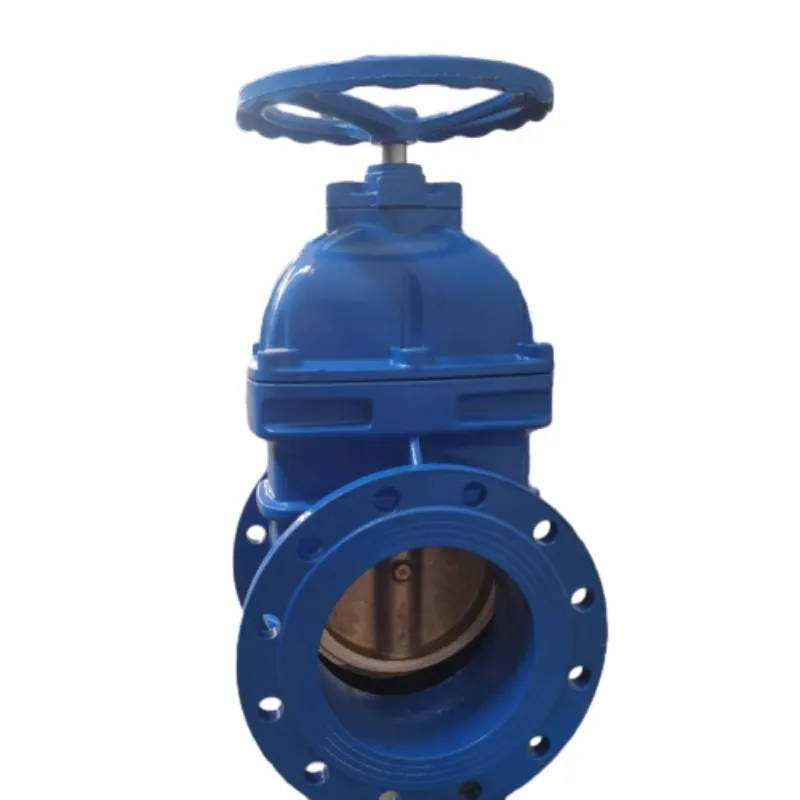
How to Turn Off the Main Water Valve A Step-by-Step Guide If you're a homeowner, understanding how to turn off your main water valve is an essential skill. This knowledge can save you from significant damage in case of plumbing emergencies, such as a burst pipe. While it might seem daunting, turning off the main water supply is a straightforward process. In this article, we’ll walk you through the steps to safely shut off the main water valve in your home. Why You Might Need to Turn Off the Main Water Valve There are several situations in which you may need to turn off the main water valve 1. Plumbing Repairs If you’re planning to perform plumbing repairs or installations, you will want to shut off the main supply to prevent water from leaking or causing flooding. 2. Pipe Leaks In an emergency situation, such as a burst pipe, turning off the valve can help control the damage until you can make arrangements for repairs. 3. Home Renovations Before starting any major renovation work that might involve plumbing, it’s advisable to turn off the water supply. 4. Vacation Prep If you’ll be away from home for an extended period, turning off the main water valve can help prevent potential leaks or water damage. Locating Your Main Water Valve Before you can turn off the main water supply, you need to locate the main water valve in your home. Typically, this valve is found near where the water line enters your house. Here are common locations - Basement If your home has a basement, the main water valve is usually located near the front foundation wall. - Crawl Space For homes on a slab or with a crawl space, look for the valve close to the exterior wall. - Garage In some cases, the main valve might be located in the garage, especially if that’s where the water line enters the house. how to turn off main water valve The valve is often a round or oval-shaped knob or lever, and it may be made of metal or plastic. Steps to Turn Off the Main Water Valve Now that you’re ready to turn off the main water valve, follow these steps 1. Prepare Before you start, gather any necessary tools such as a wrench, if the valve is stuck, and have towels ready in case of any spills. 2. Turn Off the Valve - If you have a gate valve (the round knob type), turn it clockwise (right) until it stops. This type of valve requires multiple turns to close completely. - If it’s a ball valve (the lever type), simply turn the lever a quarter turn so that it is perpendicular to the water line. 3. Check for Water After turning off the valve, run a faucet to check if the water supply has been successfully turned off. If water still flows, ensure you’ve turned the valve completely. 4. Drain the Lines To relieve pressure and ensure all water is out of the pipes, you can turn on the highest faucet in your house. This will help drain remaining water from the pipes. 5. Perform Your Repairs Now that the main water supply is turned off, proceed with your plumbing repairs or maintenance tasks. 6. Turning the Water Back On After completing repairs, ensure all faucets are closed, then turn the main water valve counterclockwise (left) until it’s fully open. Run the faucets to clear air from the lines and check for any leaks. Conclusion Understanding how to turn off the main water valve in your home is vital for effective home maintenance and emergency preparedness. By familiarizing yourself with the location of the valve and practicing the steps to turn it off, you can protect your home from water-related disasters. Whether you’re dealing with routine plumbing tasks, preparing for an absence, or addressing an emergency, knowing how to control your water supply is essential.
-

High quality industrial productsagement

High quality industrial products
View Details -

Meet the diverse needs of customers

Meet the diverse needs of customers
View Details -

Strict quality control

Strict quality control
View Details -

Top raw materials

Top raw materials
View Details -

Trusted supplier

Trusted supplier
View Details
Our application


news and information
Water valve fails to close properly and leaks persist
Troubleshooting a Water Valve That Won't Shut Off Encountering a water valve that refuses to shut of
valve supplier
Choosing the right valve supplier is a critical decision for manufacturers and industries worldwide.
Using a Level to Align a Marking Ruler for Precision Measurements
marking ruler with spirit level .
 English